Color choices act as quick personality leaks, a signal not a statement of fact. Bold hues suggest risk tolerance; cool tones, a steadier mood. Fit and proportion whisper discipline or ease, while drape hints at comfort with constraints. Details—textures, placements, and accents—encode a code beyond function. A lean capsule wardrobe translates self-knowledge into silhouettes that bite back with restraint. The question is not what you wear, but what your wardrobe allows you to become.
How Color Signals Personality Traits
Color communicates before the wearer opens their mouth, and its signals are surprisingly consistent: hues can hint at confidence, mood, and even risk tolerance.
In color psychology, hue symbolism maps traits to palettes, suggesting assertiveness through bold primaries and calm through cool tones.
Yet nuance remains: color psychology recognizes context, culture, and personal history shaping perception, not rigid determinism.
Fit, Proportion, and What They Convey About You
Fit and proportion do more than please the eye; they quietly narrate competence, rhythm, and restraint. In this lens, fit focus guides perception: tailored lines suggest discipline, while drape communicates ease. Proportion signals authority and balance, shaping social cadence without shouting. The gaze discerns intent: precise tailoring, measured silhouettes, intentional negative space—an unspoken manifesto of freedom within structure.
Details and Accessories That Reveal Your Style Ethos
Details and accessories do more than ornamentation; they encode a person’s ethos with the precision of a signature. In this light, color psychology guides mood signals, while deliberate accessory storytelling conveys intent beyond function. The approach remains analytical, yet playful: items narrate identity through contrast, texture, and placement, revealing a measured confidence that invites curiosity, not imitation, and honors individual freedom.
Building a Capsule Wardrobe to Match Your Strengths
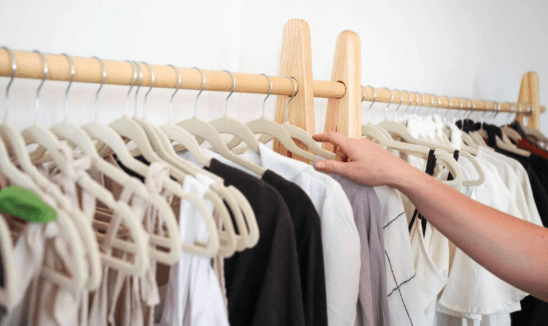
A capsule wardrobe translates personality into practicality, turning the self-knowledge expressed in Details and Accessories into a lean, purposeful silhouette. The approach maps strengths to silhouettes, aligning function with taste, and inviting experimentation without excess. It considers color psychology in wardrobes and curates with intention, favoring minimalist capsule pairs that translate confidence into consistent, flexible ensembles poised for daily freedom and sharp, understated impact.
See also: resalenext
Frequently Asked Questions
How Do Personality Traits Influence Fabric Choices and Textures?
Personality traits influence fabric choices and textures by aligning preferences with textile symbolism and tactile psychology, guiding selections toward comfort, resonance, and expressive nuance, while preserving freedom. This meticulous observer notes fabrics speak subtly, influencing mood, confidence, and personal narrative.
Can Fashion Choices Affect First Impressions in Professional Settings?
[Answer] A sharpened silhouette acts as a weather vane: first impressions tilt toward professionalism; fashion choices project personality with precise codes. Discussing: first impressions, professional settings; Fashion choices, personality projection reveal how ensembles influence perception and opportunity.
Do Cultural Backgrounds Shape What Outfits Signify Personality?
Cultural backgrounds shape outfits’ meanings, as culture informs cultural symbolism and color associations; thus attire can signal personality traits. A witty, meticulous observer notes how color codes and symbols translate identity, while a freedom-loving audience deciphers nuanced stylistic signals.
How Do Evolving Moods Alter Daily Outfit Selections?
Mood changes steer daily wardrobe choices as self expression shifts; the outfit becomes a weather vane for inner states. The observer notes mood driven styling, a witty, meticulous rhythm that respects personal freedom while revealing subtle internal weather.
What Role Does Climate Play in Expressing Individuality Through Style?
A steam-powered tuxedo clankers into view; climate inspired silhouettes and seasonal color palettes steer individuality, shaping outfits. The climate guides material and form, balancing function with expression, and the wearer negotiates freedom through tailored, witty, meticulous choices.
Conclusion
In the end, fashion mirrors the mind: color betrays temperament, fit voices discipline, and details whisper ethos. A balanced capsule aligns strength with function, allowing personality to surface without shouting. Bold hues say confident, calm tones imply restraint, and proportion marks authority or ease. Curated pieces become a self-portrait—precise, purposeful, portable. Because style is storytelling through everyday choices, even a pocket square can mutter: I am in control—watch me adapt, like a well-pressed hologram of myself.